
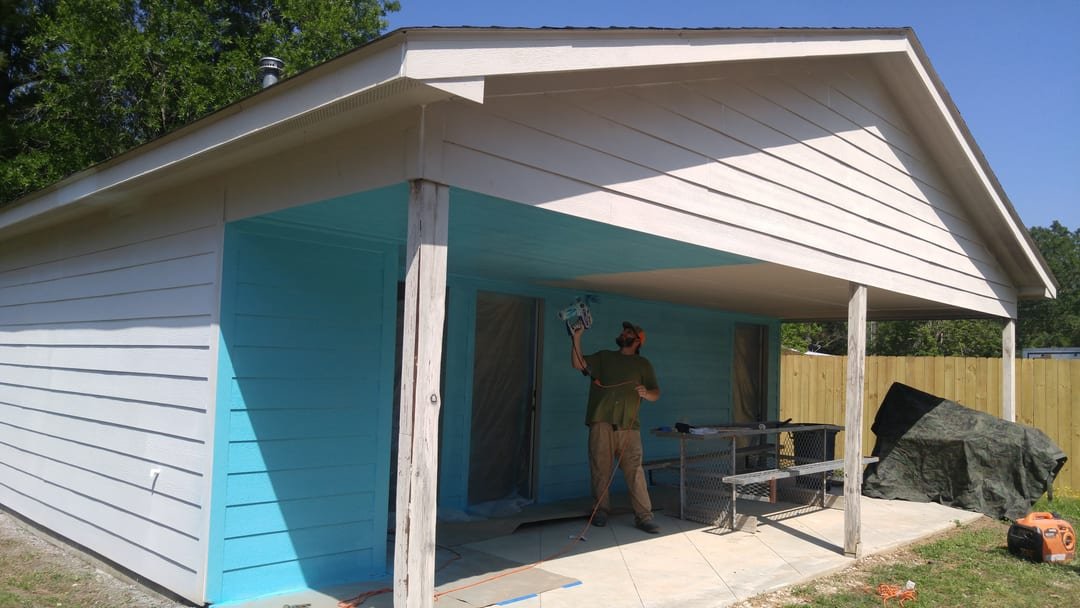
Spring around Lake Livingston arrives with pollen, storms and the first weekend everyone wants to be outside. It is also when winter's wet shows up: a leaning post, a slick deck, gutters full of oak tassels, a fence that has gone gray. Here is the outdoor list in the order that works, so nothing gets done twice.
1. Walk and inspect
Fence posts, pickets, rails, gates, deck boards, rails and stairs. Make the list before anyone brings a pressure washer. Fence inspection and maintenance tips is the walk-through.
2. Repair
Reset leaning posts, replace rotted boards, rehang the dragging gate, fix the loose deck rail. Repairs before washing and staining, or the new boards get stained a different day and never match. See fence repair and deck repair.
3. Gutters
After the oaks drop. Clear gutters and downspouts so spring storms do not pour over the fascia and onto the foundation and the fence. See gutter cleaning.
4. Wash
Once the heavy pollen tapers, usually late April. Fences, decks, siding, concrete, at the right pressure for each. See pressure washing.
5. Dry
Two or three dry days after washing before any stain goes on. The forecast decides the schedule.
6. Stain
Fence, deck, pergola, on clean dry wood, before the summer sun gets serious. See staining.
7. Gates and openers
Latches adjusted after the wet months, hinges greased, opener battery and sensors checked, keypad working. See gate openers.
8. The fence line and the yard
Rake the base of the fence, trim back whatever leaned on it over winter, and on acreage mow or spray the fence row before it leafs out. Clearing fences and fence rows.
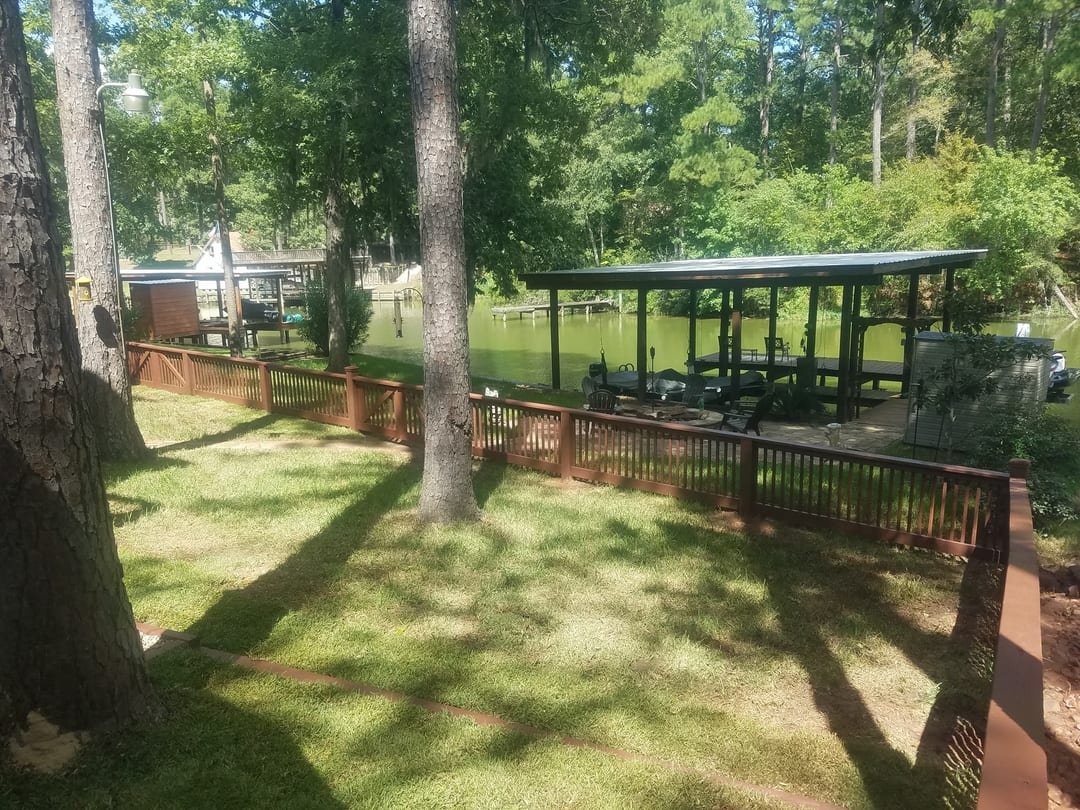
Projects to plan now
Spring is also when people decide on the new fence, the deck or the pergola. The schedule fills fast once it warms up, so the earlier the estimate, the sooner the build. Request a free estimate and we will walk the whole list with you on one visit.
Frequently asked questions
What order should spring outdoor work go in?
Inspect and repair first, then gutters, then wash, then let it dry, then stain. Washing after staining or staining before repairing wastes the work.
When is pollen season over?
The heavy pine and oak pollen usually tapers by late April. Washing before it is done means washing twice; staining during it puts pollen in the finish.
Can all of this be one visit?
Most of it. We can inspect, repair, clean gutters and wash on one trip and come back to stain once the wood is dry. Tell us the whole list on the estimate.