
Metal Fence
Ornamental Metal Fence Installation
The look of wrought iron in powder-coated steel: pickets, rails, finials and matching gates for front yards, pools, estates and street-facing boundaries around Lake Livingston.
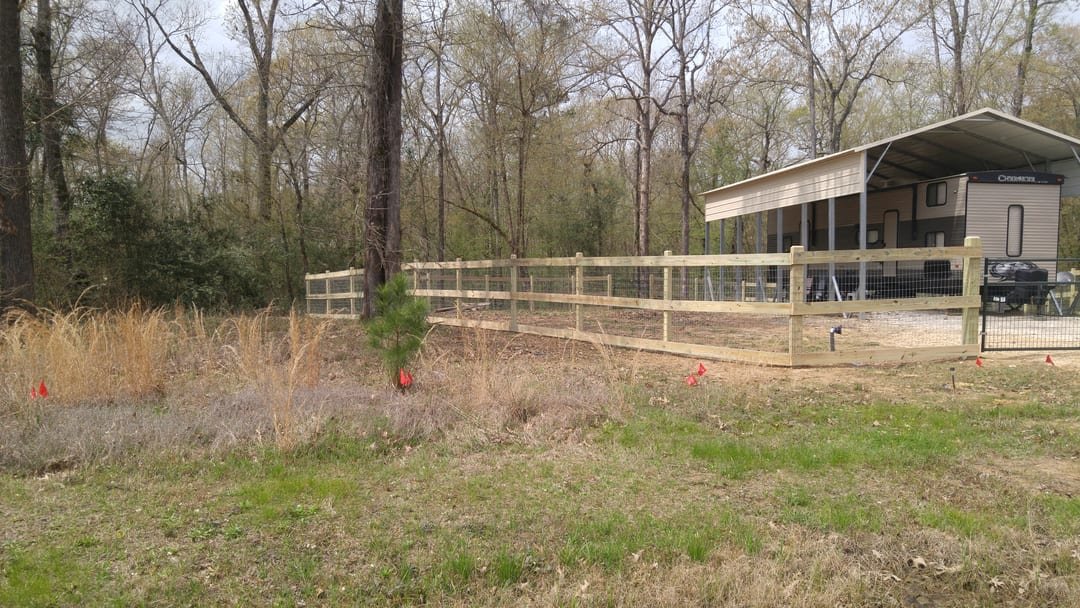
An ornamental fence is the one you choose when the fence is part of the house's first impression. Black steel pickets, straight rails, maybe a finial on top, and a gate that matches. It marks a boundary and keeps a dog in without hiding anything, and it gives a front yard, a pool or a lake house a finished look that chain link never will. Modern ornamental fence is powder-coated steel or aluminum rather than forged iron, which means it does the same job with a fraction of the upkeep.
Styles
Most ornamental fence is built from prefabricated panels, which keeps the cost reasonable and the lines consistent. Within that there is a lot of choice: flat-top or spear-top pickets, two or three rails, finials or none, picket spacing from wide decorative to pool-code tight, and heights from three feet to eight. Residential grades use lighter pickets; commercial and security grades use heavier steel and closer spacing. Black is the standard color and the one that disappears best against trees; bronze and other colors are available. Ornamental iron-style fences and gates explained goes deeper into the terms.
Where it fits around the lake
- Front yards and street frontage in Livingston, Huntsville and Coldspring subdivisions, where deed restrictions often favor an open metal fence out front.
- Lake houses that want a boundary without losing the water view. See lakefront fencing.
- Pool enclosures, where picket spacing and a self-latching gate matter.
- Estates and acreage entrances, often with a matching ornamental driveway gate and an opener.
- Churches, offices and storefronts that need a secure boundary that still looks welcoming. See commercial fencing.
How we build it
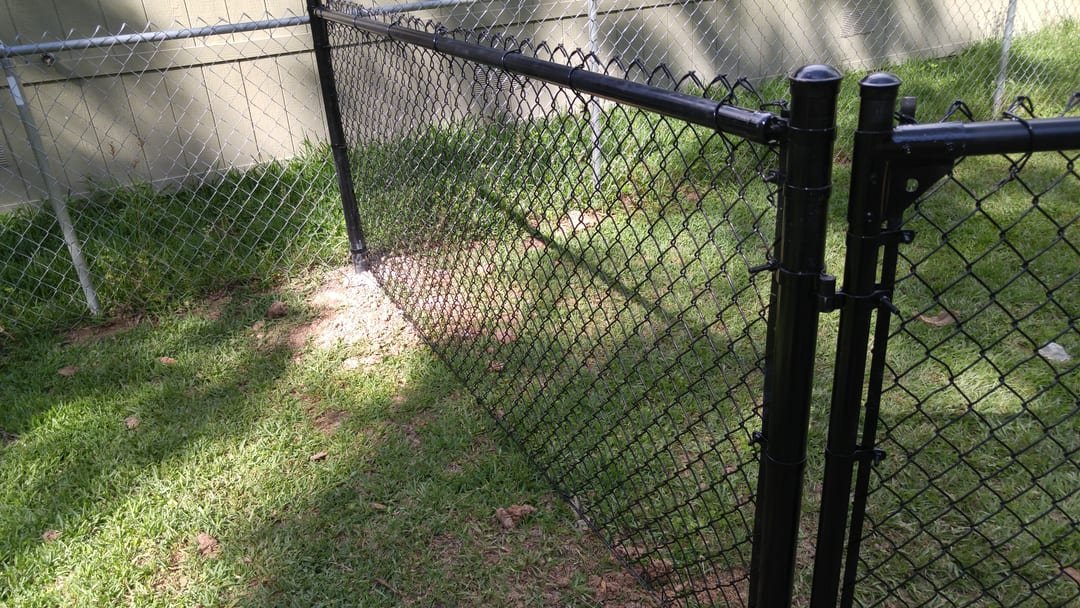
Panels are only as straight as the posts. We set ornamental posts in concrete below the soft topsoil, with gate posts heavier and deeper, and we space posts to the panel length so there is no cutting panels short at the corners. On a slope we rack the panels to follow the grade where the style allows, or step them where it does not. Panels attach with the manufacturer's brackets, and every cut end or drilled hole is sealed so the coating is not breached. Gates are hung with adjustable hinges so they can be squared up years later if the ground moves.
Steel versus aluminum
Steel ornamental is stiffer and the usual pick for long runs, security grades and large gates. Aluminum cannot rust and is the right call right at the water's edge, around pools and in any spot that stays wet. The styles and colors are the same. We will price either; the aluminum fence page covers the trade-offs.
Upkeep
Rinse it when you wash the house. Touch up any chip to bare metal with the manufacturer's paint. Check gate hinges once a year. That is about it; a powder-coated ornamental fence set in concrete should look the same in ten years as it does the day we leave.
What affects the price of ornamental fence
Grade, height and style set the panel cost: residential flat-top at four feet is the economical end; commercial-grade six-foot with finials is the upper end. Gates cost more than any run of fence, and an opener adds again. Masonry columns, arched gates and custom insets are their own lines. Slope adds posts where panels have to step. We price it on site and will price aluminum beside steel if you are deciding between them.
Frequently asked questions
Is ornamental fence the same as wrought iron?
True wrought iron is hand-forged and rare today. Modern ornamental fence is steel or aluminum, welded or assembled into panels with pickets and rails, and powder coated. It gives the wrought iron look with far less maintenance.
Steel or aluminum ornamental?
Steel is heavier and stiffer, which suits long runs, security and big gates. Aluminum cannot rust and is the better choice right on the water, around pools and anywhere the fence will stay wet. Both come in the same styles and colors.
Does ornamental fence meet pool code?
The common four-foot and five-foot styles with pickets spaced under four inches are built for it, paired with a self-closing, self-latching gate. We confirm the specific height and spacing requirements for your property during the estimate.
Ready to price an ornamental fence?
Tell us about the project and we will set up a free on-site estimate. Or just call: we answer the phone.