
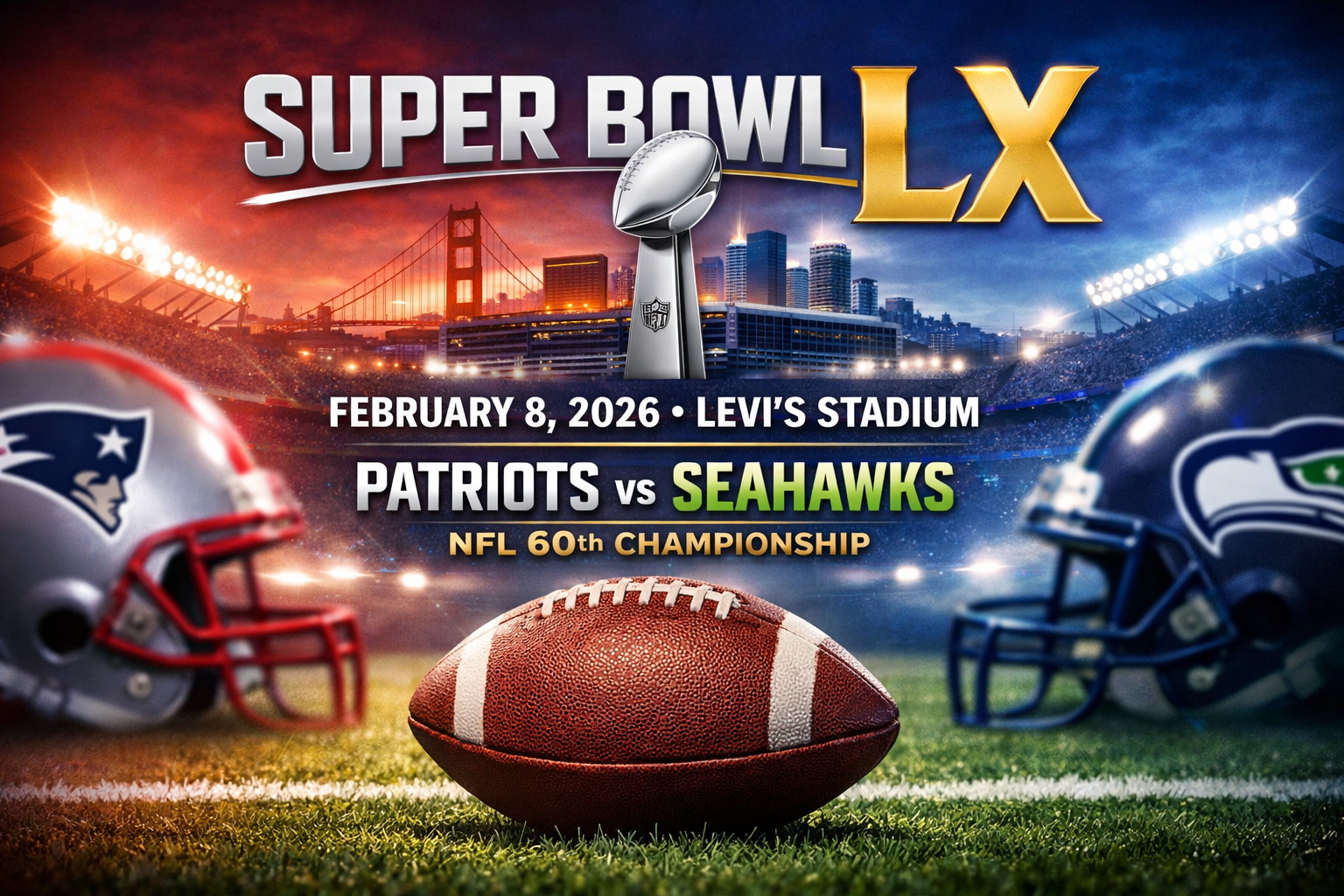
Superbowl LX
The NFL & Super Bowl: A Decade-by-Decade Breakdown
This section expands on the history of the National Football League by highlighting how each era shaped the modern game and the Super Bowl.
1920s – The Foundation Years
1920: The league forms as the APFA with loosely organized teams.
Rules vary widely; games are often low-scoring and rugged.
College football dominates popularity; pro football fights for legitimacy.
1922: Officially renamed the NFL.
Early power teams include the Canton Bulldogs and Chicago Bears.
Legacy: Survival and structure. Without this decade, the NFL doesn’t exist.
1930s – Organization & Championships
1933: NFL splits into divisions and introduces a playoff system.
First official NFL Championship Game is played.
Passing rules improve, making the game faster and more exciting.
The league begins to standardize contracts and schedules.
Legacy: The NFL becomes a real professional sports league.
1940s – War & Reinvention
World War II strains rosters and finances.
1946: The NFL reintegrates, allowing Black players to return.
Competition with rival leagues forces innovation and expansion.
Legacy: Diversity returns; the league prepares for national growth.
1950s – Television Changes Everything
Television brings football into American living rooms.
1958 NFL Championship Game (“The Greatest Game Ever Played”) explodes popularity.
The NFL overtakes baseball as America’s most-watched sport.
Legacy: Football becomes national entertainment.
1960s – Rivalry & Birth of the Super Bowl
Formation of the AFL sparks intense competition.
Players, salaries, and fan interest skyrocket.
1967: First Super Bowl is played.
1969: Super Bowl III legitimizes AFL talent.
Legacy: The Super Bowl is born; football enters the modern era.
1970s – The Dynasty Era
AFL–NFL merger creates AFC and NFC.
Defensive dominance defines the decade.
Legendary dynasties:
Pittsburgh Steelers (4 Super Bowls)
Miami Dolphins (perfect season in 1972)
Super Bowl becomes an annual national event.
Legacy: Dynasties and physical football define greatness.
1980s – The Quarterback Revolution
Passing offenses take over.
Iconic quarterbacks dominate:
Joe Montana
Dan Marino
John Elway
San Francisco 49ers establish a modern dynasty.
Super Bowl halftime shows grow in scale.
Legacy: The QB becomes the face of the league.
1990s – Expansion & Global Reach
Salary cap introduced (1994), increasing parity.
NFL expands teams and markets.
Dominant teams:
Dallas Cowboys
San Francisco 49ers
Super Bowl commercials become cultural events.
Legacy: The NFL becomes a global brand.
2000s – The Patriot Era Begins
Defensive rules favor offenses.
New England Patriots begin historic run.
Super Bowls feature tighter games and bigger production.
Fantasy football explodes in popularity.
Legacy: Strategy, analytics, and branding reshape the league.
2010s – Player Safety & Spectacle
Rule changes focus on concussion prevention.
Passing stats shatter records.
Iconic moments:
Super Bowl XLIX goal-line interception
Super Bowl LI (28-3 comeback)
Streaming and social media redefine fandom.
Legacy: The NFL balances entertainment with responsibility.
2020s – Modern Dominance & New Dynasties
Mobile quarterbacks redefine offenses.
Kansas City Chiefs emerge as the modern powerhouse.
Super Bowls hosted in cutting-edge stadiums.
International games expand global reach.
Legacy: Speed, technology, and star power dominate the modern NFL.
How the Super Bowl Fits Into Every Era
1960s–70s: Proves legitimacy
1980s–90s: Builds legends
2000s–2010s: Becomes a cultural holiday
2020s: Global sports entertainment centerpiece
Wrap-Up
From dusty Ohio fields to billion-dollar stadiums, the NFL’s century-long evolution mirrors American culture itself. The Super Bowl now stands not just as a championship game—but as the defining event in professional sports.